
PETROLEUM BASESTOCKS
As indicated above, petroleum basestocks are refined from crude oil that has been recovered from natural underground “storage areas”. HowStuffWorks.com actually has a pretty decent description of the refining process that is used to distill lubricating oil and other products (such as gas, diesel, etc.) from crude oil (http://HowStuffWorks.com/oil-refining.htm). Once the oil is recovered, it must be run through a series of purification steps to improve the following desirable lubrication qualities:
Viscosity Index
A measure of an oil’s ability to maintain it’s viscosity over a wide temperature range. The higher the number, the less change in viscosity with a change in temperature. Better oils will generally have higher viscosity indexes.
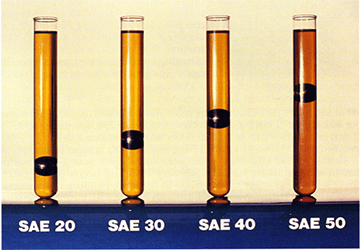

Low Temperature Performance
The better an oil will flow at low temperatures, the better its low temperature performance. Better low temperature performance provides more immediate engine protection at start-up in cold weather climates.
High Temperature Performance
How well does an oil hold up under extremely hot conditions. Will it burn off easily? Will it allow metal to metal contact under hot conditions as a result of viscosity loss? Obviously, better oils will hold up more effectively under extreme heat.
Guidelines for Selecting High-temperature Lubricants
Resistance
A measure of an oil’s ability to maintain it’s viscosity over a wide temperature range. The higher the number, the less change in viscosity with a change in temperature. Better oils will generally have higher viscosity indexes.
